

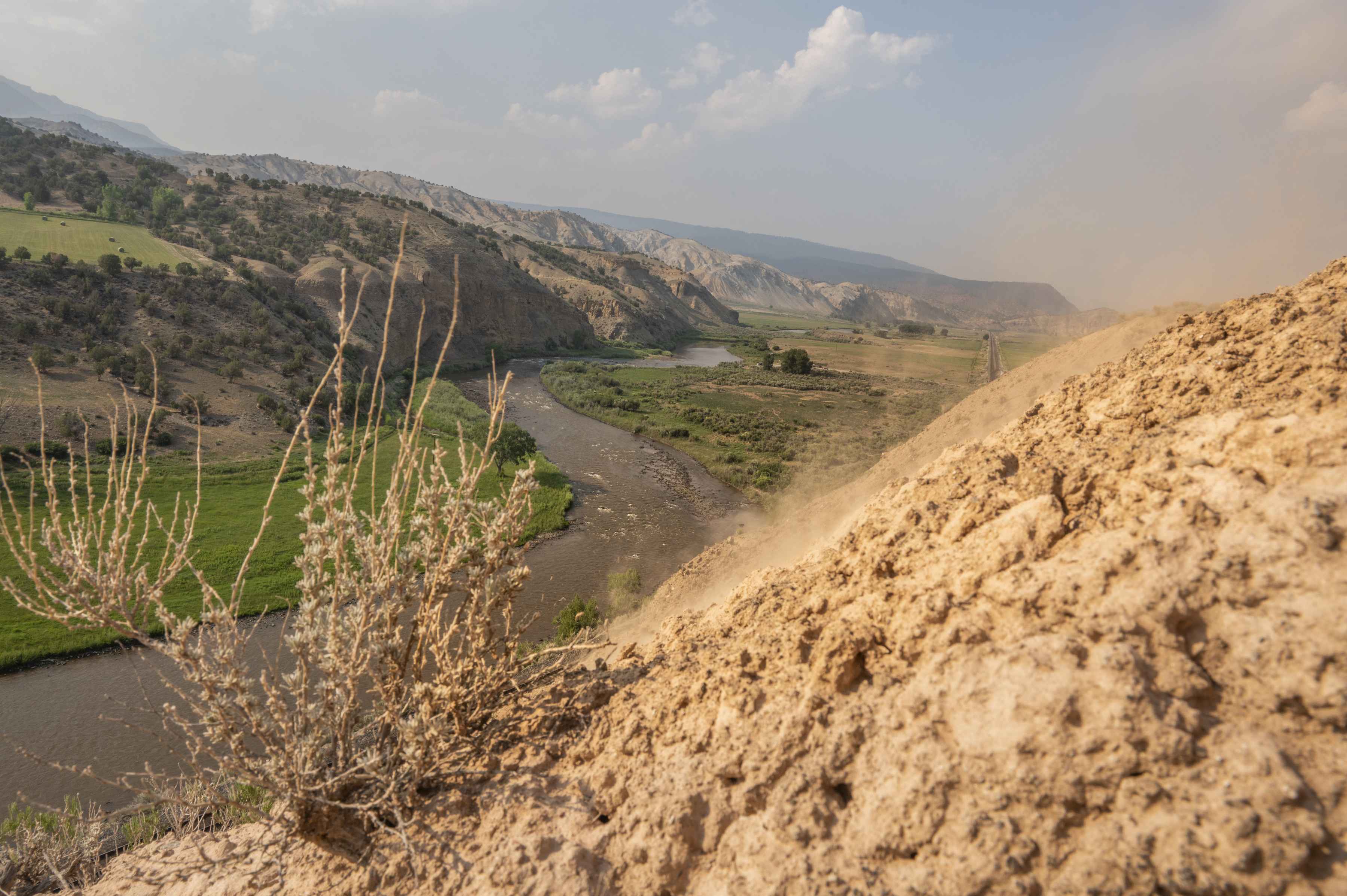
On Colorado’s Front Range, essentially a high desert, longtime trout anglers tend to be more tuned into the realities of drought, low water, and rising temperatures — all things that are fundamentally bad for trout fishing and, more importantly, the fish themselves. Many anglers around the country may have never experienced a “real” drought firsthand or simply haven’t been fishing long enough to understand what prolonged heat and shrinking flows actually mean for a species that craves as much cold, oxygen-rich water as it can get. Over the years, there are a few things I’ve learned that can help not only the fisheries but also help anglers continue to enjoy getting outside during conditions like these.
First, a little background on what many of us in the West are facing this summer. In short: it’s bad.
Take Colorado, for instance. We had the warmest winter on record and one of the driest by a long shot. There are still a few areas hanging on and doing reasonably well, but they are few and far between. If you look at the U.S. Drought Monitor map, it’s shocking how much of not only the West but the country as a whole is now sitting in moderate to exceptional drought. The site does a great job breaking down conditions region by region and offers an up-to-date weekly look at what’s happening across the country. I’d recommend bookmarking it now.
NOAA and the NIDIS sum it up this way, “Drought, as defined by the U.S. Drought Monitor, now covers nearly the entire Intermountain West region. The worsening conditions are largely due to a spring heat wave and the record low winter snowpack. Recent precipitation in some areas has not been enough to stop conditions from worsening. Drought is expected to persist this summer, according to the NOAA Climate Prediction Center. Short-term drought impacts from across the region continue to grow and include reports of rivers starting to run dry, hauling of water and feed for livestock herds, increased wildfire activity and risk, and the announcement of voluntary and mandatory water restrictions. Reduced water supply is expected across much of the Intermountain West this summer. Additional water gains this season from snowmelt runoff are not anticipated as most of this year’s record-low snowpack has already melted. The May Seasonal Water Supply Forecasts for the Colorado River Basin runoff season (April–July) are well below normal and rank in the driest five on record at many locations. Most major reservoirs' storage levels in the Intermountain West are well below average. The expectation of less water and continued drought this summer has led to a number of response actions to conserve and manage water, including Colorado activating the State Drought Task Force, Reclamation’s actions to conserve water in Lake Powell, and the activation of drought contingency plans across the region."
That sounds no bueno if you ask me.
Here are a few practical things you can add to your tool kit this summer when fishing for trout during drought and low-water conditions no matter where you live.
Fish Early
One of the biggest things anglers can do during drought conditions is simple: fish early. And I mean really early. Dawn early.
Water temperatures can climb shockingly fast once the sun hits low, thin summer flows. By noon, many rivers are already approaching dangerous territory. Once water temperatures creep into the upper 60s — especially 67–68°F and above — trout stress and mortality spike. Carry a thermometer and actually use it. They weigh almost nothing and are probably one of the most important pieces of gear you can own during a drought year.
A lot of people suggest fishing late in the evening instead, but realistically that can be a bad idea. Water temperatures often continue climbing long after the day’s peak air temperatures and can take many hours to cool back down. Some of the newer USGS gages now include water temperature data alongside flow and air temperature readings, which is incredibly helpful. Start paying attention to your favorite rivers and begin making mental notes about how flows, air temperatures, sunlight, and water temps all interact. Patterns emerge pretty quickly.
Choose Your Water Carefully
When you do fish, be thoughtful about targeting coldwater refuges. Springs, tributary mouths, deep slots, and heavily shaded banks often become temporary sanctuaries for trout trying to survive stressful conditions. Remember that fish are congregating in these places because they need them to survive. If overall river temperatures are already pushing into the mid-60s, it’s probably best to leave those fish alone.
Bigger water can also help. Tailwaters, spring creeks, deep canyon rivers, and high-elevation lakes generally maintain cooler temperatures longer than shallow freestones baking under direct summer sun. Speaking of alpine lakes, this is a good time to do a little research into what higher-elevation opportunities exist near you. Often they provide a much better option during prolonged heat waves. That said, don’t assume elevation automatically equals cold water. Take the thermometer there, too. These systems are not immune to warming.
Don’t Overplay or Overhandle
If you do hook fish, shorten the fight as much as possible. Fish heavier tippet than your ego wants you to. Hot water combined with prolonged fights creates massive physiological stress on trout, even when they appear to swim away fine. Many fish die hours later due to delayed effects like lactic acid buildup and oxygen deprivation. The goal isn’t simply to release fish. It’s to release fish that actually survive.
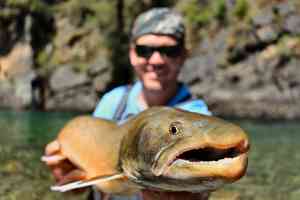
The same goes for handling. Keep fish wet. The cliché exists for a reason. Wet your hands before touching fish, minimize air exposure, and skip the extended hero-shot photo sessions. If it takes five retakes for Instagram, maybe don’t take the photo at all. Debarb your hooks or fish barbless whenever possible to speed releases and reduce damage to the fish.
Expand Your Horizons
At a certain point, anglers should also consider not targeting trout at all. Personally, I stop fishing once water temperatures hit 65 degrees, though realistically the cutoff should probably be lower. Some recent science suggests anglers should begin reconsidering fishing for some trout species once temperatures climb past 62 degrees.
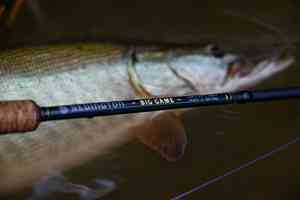
The good news is that warmwater species are wildly underrated. Carp, smallmouth bass, largemouth bass, pike, panfish, even catfish can offer incredible fishing during the hottest stretches of summer and are generally far more resilient in warm conditions. A lot of trout anglers rediscover how fun fishing can be once they stop viewing coldwater species as the only game in town.
Respect Habitat and Regulations
Low water also means fish become more concentrated and habitat becomes far more fragile. Avoid trampling spawning areas, side channels, and vulnerable streambanks. During drought years, one careless walk through a shallow braid or soft bank can do far more damage than people realize.
And if agencies implement voluntary closures or Hoot Owl restrictions, respect them, but remember they are compromises between agencies and outfitters to keep businesses going. Paying attention to actual water temperatures is often more important than blindly following the clock, since those restrictions can sometimes feel a bit arbitrary depending on local conditions. Tools are improving here too. The TroutRoutes app is reportedly beginning to add more water-temperature-related features to Montana fisheries, which could become incredibly useful for anglers trying to make smarter decisions.
Wrapping Up
Rivers do not exist separately from the broader water system around them. If you live in the West, using less water at home genuinely matters. Municipal demand, agriculture, groundwater withdrawals, snowpack, reservoirs, it’s all connected to the health of trout rivers whether we like it or not.
If you’re looking for ways to help beyond simply fishing more responsibly, support organizations doing legitimate water and habitat work. Groups like Trout Unlimited, American Rivers, and American Whitewater spend enormous amounts of time fighting for flows, restoration projects, watershed protection, and river access. In drought years especially, that work matters more than ever.
Maybe most importantly, redefine what success looks like during summers like this.
Not every season needs to be about numbers, grip-and-grins, or “crushing it.” Some years are better spent simply paying closer attention. Explore tiny tributaries without fishing. Watch hatches without feeling the need to cast at every rising fish. Row a boat through a canyon at sunrise. Swim in the water. Teach a kid how to roll cast. Sit at the tailgate fixing old gear with friends while thunderstorms build over the mountains.
There is real value in staying connected to rivers without constantly needing to extract something from them. A lot of veteran anglers already understand this. Some of the best river stewardship doesn’t come from posting about conservation online or arguing in fly shops. Sometimes it simply means choosing not to fish.










Comments
John "jp" Perizzolo replied on Permalink
Great article, perfect timing with the water temps already creeping up. Fished for Smallies last week for the 1st time in 40 years, and I had forgotten how much fun they are.
Pages