Pat Price replied on Permalink
Though it’s been more than four decades, I still remember the jarring contrast. A broiling sun bore down on my skinny shoulders as creek water that felt as if drained from...
Though it’s been more than four decades, I still remember the jarring contrast. A broiling sun bore down on my skinny shoulders as creek water that felt as if drained from...
Words: Todd Tanner. Images: Tim Romano and Jeremy Roberts.
There are days when I’m not convinced our society can tell the difference between a blessing...
|
|
|
When we were kids, my generation was dutifully warned about the evils of substance abuse. We were warned of complete strangers wandering oh-so-purposely into our paths...
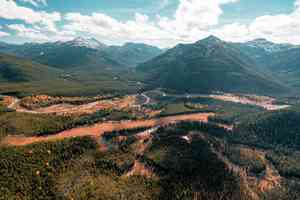
Ninety percent of wildfires start within a half mile of a road. The Trump administration wants to build more of them.
In a...
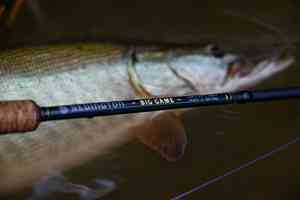
Modern-day fly anglers are incredibly lucky to be living through a time of intense specialization, particularly in the warmwater space. From the sometimes mind-boggling...
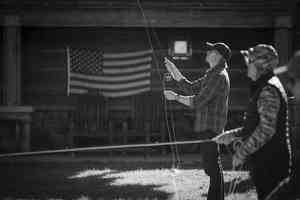
Having complete control over our line, leader and fly makes the process of fly fishing a whole lot of fun. It also contributes significantly to our angling success. If you...
Ninety percent of wildfires start within a half mile of a road. The Trump administration wants to build more of them.
In a...















Chris, this is a horribly researched, propaganistic article full of unsubstantiated claims. First off, a 2 minute plunge into Secretary Rollins' background would reveal a degree from Texas A&M in agricultural development prior to her obtaining a law degree. Does that not give her some credentials to work in the Agriculture Department?
What is the mechanism that destroys fisheries through the management of designated roadless areas. If this assertion were true, then by extension, there would be no fresh water fisheries left in the world. Between private development and lawful land management activities, if your unsubstantiated claims were true, our fisheries would have been lost a century ago. Many of the roadless rule designated areas are in headwater streams, where there are no fisheries. They are too steep, too small, and sometimes intermittent and don't support fish populations. Having worked for the Forest Service for over 30 years, mostly as a fish biologist, I have studied the effects of land management on fish populations extensively. After 30 years of working on timber sale projects, we had roughly the same levels of fish populations when I retired as we did when I started. And I worked on one of the more productive timber forests in Montana. I spent my career combating flimsy accusations by so-called "environmentalists" making emotional, factless claims to persuade judges and their cronies of the evils of lawful land management. While your article may be popular with the fly fishing crowd, it is a disservice to fact-based discussions about when and where land management activities should be conducted. No one ever complains about 10 acres of fragile desert ecosystem being paved around Phoenix for a new subdivision, but try to manage a renewable resource for future generations and you're the devil.
Please try to do a better job with your "journalism" in the future.