Articles

The Yellowstone terrestrial countdown

Relief is coming for the West's trout, here's how to make the most of it
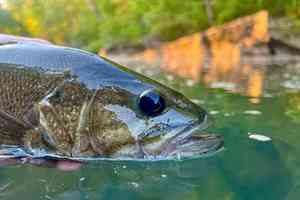
Photo: Chad Shmukler.

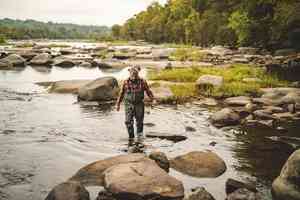
Every year, starting around the end of the first week of August, the folks who live from one end of the Greater Yellowstone Ecosystem to the other begin to count the days. This year is no different. It’s been a long, hot, smoky summer — as most summers have been over the last decade and a half or so, and as most of us who’ve lived here for any length of time predicted after a “winter” with virtually no snow — and we needed a break. Generally speaking, that relief tends to show up sometime in the middle of August. This year, the reprieve arrived on Aug. 13.

Hiding behind bogus ties to wildfire risk, Trump admin files to remove Roadless Rule in its entirety

Extraction, extraction, extraction: USDA outs priorities behind Roadless Rule rescission
Photo: Jim Pattiz.

Ninety percent of wildfires start within a half mile of a road. The Trump administration wants to build more of them.

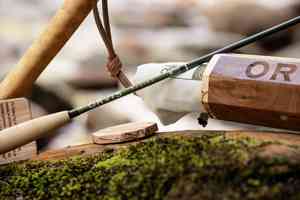
How to practice fly casting

An easy-to-follow, effective casting practice regimen for freshwater or saltwater
A fly casting lesson at the School of Trout (photo: Tim Romano).

Having complete control over our line, leader and fly makes the process of fly fishing a whole lot of fun. It also contributes significantly to our angling success. If you’re happy with the current state of your casting, read no further. Simply enjoy your time on the water. But if you sense that your casting experience could be more rewarding—in tactile pleasure as well as in catching more fish—here are some thoughts on advancing your skills.

Practice is essential to improving any physical skill. We don’t often think of fishing as requiring practice, but the fact is it’s no different than any other sport. Becoming a competent fly caster requires time and repetition, and sound fundamentals should be at the heart of any casting practice regime.

Air raid

Mosquitoes, no-see-ums, blackflies, deerflies, and stable flies—the "Big Five"
Photo: Earl Harper

Somewhere between Shawano and Wittenburg in northeastern Wisconsin I began to get the nagging feeling I’d forgotten something. I was on my way to a stream in Langlade County, an under-the-radar spot I hadn’t fished before but one that was rumored to hold a healthy population of brookies. I’d scouted it earlier in the spring, stopping at multiple road crossings to “look at the water,” as we trout fishermen say, and what I’d seen checked all the boxes.

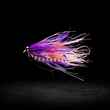
The color purple: Why it's in almost every angler's fly box

Purple flies just work—and there's a reason why
Photo: Earl Harper.

Dr. Robert Behnke, the late and eminent fisheries biologist who literally wrote the book on trout taxonomy, was a matter-of-fact kind of guy. In my early years as a newspaper journalist, Behnke was on my speed dial as I navigated the fascinating and complex world of native trout classification, particularly the names and biological assets prescribed to the West’s cutthroat trout. He was very good at describing the complex genealogy of trout, both native and invasive.

Pages