Philip replied on Permalink
They sit in a forgotten drawer in my tying desk, intermingling with odd-sized hooks, old fly boxes, and other ephemera that have eddied into this backwater over time. Some...

They sit in a forgotten drawer in my tying desk, intermingling with odd-sized hooks, old fly boxes, and other ephemera that have eddied into this backwater over time. Some...
Words: Todd Tanner. Images: Tim Romano and Jeremy Roberts.
There are days when I’m not convinced our society can tell the difference between a blessing...
|
|
|

It’s not often that a place sings to you, and calls you in. Some places play more alluring tunes than others, and, while I think it’s safe to say that anglers hear siren...

The U.S. Forest Service is in damage control.
Almost two weeks ago,...
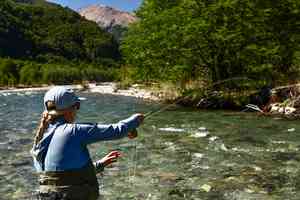
As I unzipped the top of the Cordura-coated rod tube in the front yard of a little Chilean farmhouse not too far from the cozy confines of...
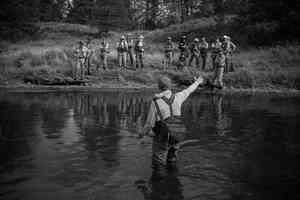
Beginning this month, we’re introducing a new column in partnership with the Montana-based...

The ongoing western drought has claimed perhaps its biggest victim — a trophy trout reservoir in the upper reaches of the South Platte River drainage in Colorado’s fabled...










The nonnative rainbow trout are as intrusive, or moreso to the area, than the helicopters would be. The helicopters and piscicides are temporary. The rainbow trout are permanent. The only difference is that the rainbow trout are out of sight, while the helicopters would be visible for their few trips. So Wilderness Watch is okay with a permanent anthropogenic disturbance to the ecosystem but not fine with a temporary disturbance? Strange.
From Wilderness Watch's FAQ; "The Absaroka-Beartooth Wilderness was designated to be protected as a place where the human hand does not shape the landscape and its ecosystems—where nature reigns supreme and species and habitats live and develop of their own will."
Great, except the presence of rainbow trout is due to "human hands." So, it's already not a natural ecosystem. It's already been altered by man. The Forest Service & MFW&P would be returning the Absaroka-Beartooth Wilderness to a more natural state, albeit with a temporary "disruption" to the "wildness" of the place.
This is taking the intent of the Wilderness Act too far. It does bring up an interesting dilemma, though. What takes priority? Species security or hardline adherence to statutes?
I'd also question the "fishless" claim. It may have been fishless in recent times, but we're certain there are no fossils in the fishless section that might indicate that at some point in the earth's history fish did live there before some catastrophic event caused their demise? I know there are truly fishless places on earth, but this one would surprise me if through a more thorough investigation it was determined to be fishless since before the Pliocene. If we're going to split hairs, might as well move the goalposts on the timeline for the stream being fishless while we're at it.
I agree with the author here. Is this really the best use of money and attorney time? There's nothing better to do than throw wrenches in the spokes of attempts to protect imperiled species?