Falling Hopes on Falling Springs

There's a quote that suggests something to the effect of "your own advice is the hardest pill to swallow," a quote which I've realized holds some significant merit. Very recently, I published an article entitled Brookies for Beginners, in which I suggested that beginner fly fishermen, those that are faced with the frustrations and defeats presented by the challenges confronting the novice angler, head for the less demanding and often rewarding waters of mountain brook trout streams. So one might expect, during the early parts of a season in which my time to hit the water has been limited and what time I have had has brought frustrations of its own due to my repeated choice to snobbishly seek wild trout on technical waters, that I might have heeded the advice I felt comfortable to give to others.


Right?

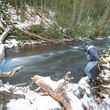
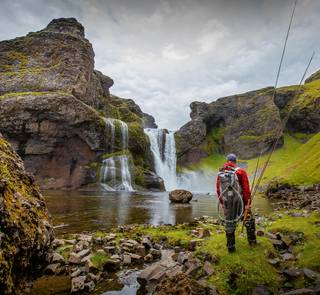
Instead, given the opportunity for an afternoon on the water, I chose to visit for the first time one of my home state's most notoriously difficult and demanding waters. Falling Springs Branch Creek is one of the most storied streams on the east coast. Less than 10 feet across in spots, Falling Springs is a tiny, weed choked, classic limestone spring creek like its nearby neighbors Letort Spring Creek and Big Spring Creek. Polluted with food for fish, abundant cover and clean, cold water, Falling Springs grows large, spectacular, wild trout. These fish are educated and reside in a stream where aquatic vegetation strives to destroy every drift you attempt and where glass still waters render water droplets that sprinkle to the surface from your false cast a potential trout spooker. This is not easy fishing.

Brookies for Beginners

Newcomers to the sport of fly fishing can feel overwhelmed and lost at times. The challenges faced by the novice fly fisherman can be significant and the lack of positive feedback from successfully enticing a fish to take your imitation can make the prospect of learning the ropes a daunting one. Especially here in the eastern United States where the fish populations are lower and pressure is higher, more selective, more "educated" fish can make the task facing the unexperienced fisherman seem, at times, impossible.

Pennsylvania Brook Trout
Mountain brook trout love a parachute adams.

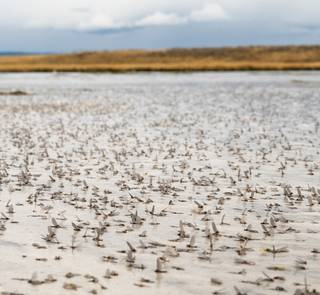
Take for example my experience last week on the West Branch of the Delaware River, albeit one of the most technical and difficult rivers to fish anywhere in the United States. After a day of nothing much at all except prospecting with nymphs and streamers under sunny skies and through low, gin clear water, fish began to rise readily after the sun dipped below the horizon and a number of bugs appeared on the river. With at least a dozen fish to target from my spot in the river, surely success was about to be had, no? No. With no less than 6 different bugs on the water and in various life stages, the next hour was spent blowing through patterns and rigs and all to no avail. Walking off the river in the dark and straddling a boulder in the process, led to a pathetic, helpless slide into the water and a pair of filled up waders.