Ryan replied on Permalink
Though it’s been more than four decades, I still remember the jarring contrast. A broiling sun bore down on my skinny shoulders as creek water that felt as if drained from...
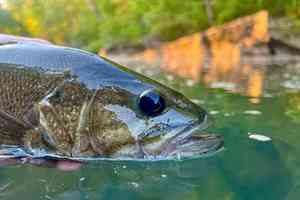
Though it’s been more than four decades, I still remember the jarring contrast. A broiling sun bore down on my skinny shoulders as creek water that felt as if drained from...
Words: Todd Tanner. Images: Tim Romano and Jeremy Roberts.
There are days when I’m not convinced our society can tell the difference between a blessing...
|
|
|
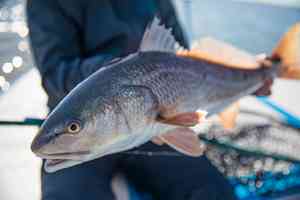
When we were kids, my generation was dutifully warned about the evils of substance abuse. We were warned of complete strangers wandering oh-so-purposely into our paths...
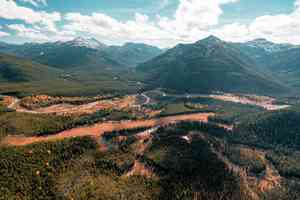
Ninety percent of wildfires start within a half mile of a road. The Trump administration wants to build more of them.
In a...

Modern-day fly anglers are incredibly lucky to be living through a time of intense specialization, particularly in the warmwater space. From the sometimes mind-boggling...
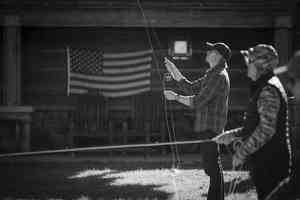
Having complete control over our line, leader and fly makes the process of fly fishing a whole lot of fun. It also contributes significantly to our angling success. If you...
Ninety percent of wildfires start within a half mile of a road. The Trump administration wants to build more of them.
In a...














The bias of this article pails to shine a light on something I see as a far greater threat than the Roadless Rule. That is illegal's and homeless trashing areas. If there could have been a road to it before 1990, there would have been. The Forest Service prior to 1990 was maintaining 380,000 miles. Furthermore, almost all the Interstate Highway System was complete by 1992. Many urban roads were paved before 1990, especially during the mid-20th century. While some rural roads were paved earlier, particularly after the Good Roads Movement of the late 19th and early 20th centuries, many remained unpaved until later in the 20th century, with a significant increase in paving occurring before 1990. Yes, illegal immigration can contribute to littering in national forests, particularly those near the southern border. Unauthorized border crossings often leave behind trash, including food wrappers, water bottles, and other debris, that accumulates in these areas. In 2006 Forest Service Chief Dale Bosworth said this in front of Before the Subcommittee on Interior, Environment and Related Agencies. National Forest continues to experience cross-border violators creating unwanted trails and leaving large numbers of abandoned campfires and large amounts of trash on the Forest as they travel through the area. In 2005 nearly 500,000 cross-border violator apprehensions, averaging 30,000 per month, were made in the Tucson Sector alone. In addition, almost 99,000 pounds of marijuana worth nearly $198 million were seized while being transported through the Coronado National Forest. We all know there are many millions more here in the last 4 years. Every time I go fishing, I see one or more littering and fishing illegally. That is way bigger of a problem than any road being built.