Articles

Okefenokee is now a UNESCO World Heritage site

The once-imperiled, famed swamp joins the ranks of iconic U.S. sites like Yosemite and Yellowstone
Photo: Timothy J (CC BY2.0).

Just a year ago, the future of the largest American wilderness area east of the Mississippi River was in question, as biologists and conservationists feared that a dragline mining project on its southeastern fringes would tragically lower the water table and change the Okefenokee Swamp forever. After a land purchase last summer, and the formal transfer of the would-be mining site to the state of Georgia, the Okefenokee National Wildlife Refuge appears safe from industrial-grade development.

The flutter: Get your fly in the zone

A swiftwater move to help get your streamer where it needs to be
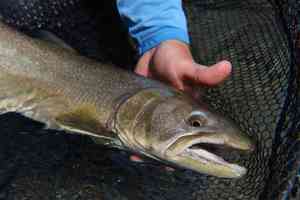
A British Columbia bull trout (photo: Chris Hunt).

Some think of streamer anglers as the “nose tackles” of fly fishing. Short on finesse, these bestial trout hunters use heavy rods, sinking lines, and flies that cast about as well as a dirty diaper, all in the name of fooling big trout, immovable muskies, or massive king salmon in moving water.

El Niño is already scrambling fisheries throughout the Pacific

From California to Peru to India, the powerful weather phenomenon is creating winners and losers across the commercial and recreational fishing industries
Pacific tuna on display at a market (photo: CCO).

We’re not even one month into “super” El Niño, the natural Pacific weather pattern characterized by warmer than average sea surface temperatures, and fisheries around the world are already getting scrambled.

How far should you lead a rising trout?

The truth is, nobody really knows. But here are some clues.
Photo: Jason Jagger.

One of the most common mistakes I ran across back in my days as a fly fishing guide on the Henry’s Fork, the Yellowstone and the Madison — as well as one of the more regular problems I see when I’m teaching at the School of Trout — is that most anglers have no idea how far to lead a rising fish with their dry fly. So why does that matter, and how can we increase our odds for success?’’

The first question is the easy one. If your fly lands too close to a rising trout, it might not have time to react to your fly before your offering drifts past. Or even worse, your fly might spook the fish when it hits the water.

On the other end of the spectrum, the further upstream you cast your fly, the more likely it is that your fly will drag before it gets to your target. Drag, of course, is an absolute killer for dry fly presentations. At the same time, leading the fish by too much also diminishes the accuracy of your presentation. Even if you get a good drift, you still need to put the fly in front of the fish. The further upstream you cast, the less likely it is that your fly will float down into the trout’s feeding lane and elicit a positive response.

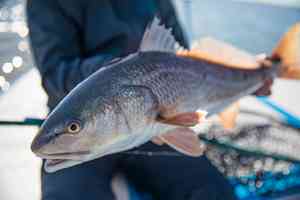
Redfish: The gateway to a flats habit

Redfish are simultaneously a second-to-none fly rod target and a great first-step species for flats fishing beginners
Photo: Chris Hunt.

When we were kids, my generation was dutifully warned about the evils of substance abuse. We were warned of complete strangers wandering oh-so-purposely into our paths with the sole intent of giving out free dope so as to perpetuate life-altering addiction among our crop. Far be it from me to discourage those who discourage drug and alcohol abuse, but I’ll also be the first to chime in and say, “Hey, Mr.

Pages